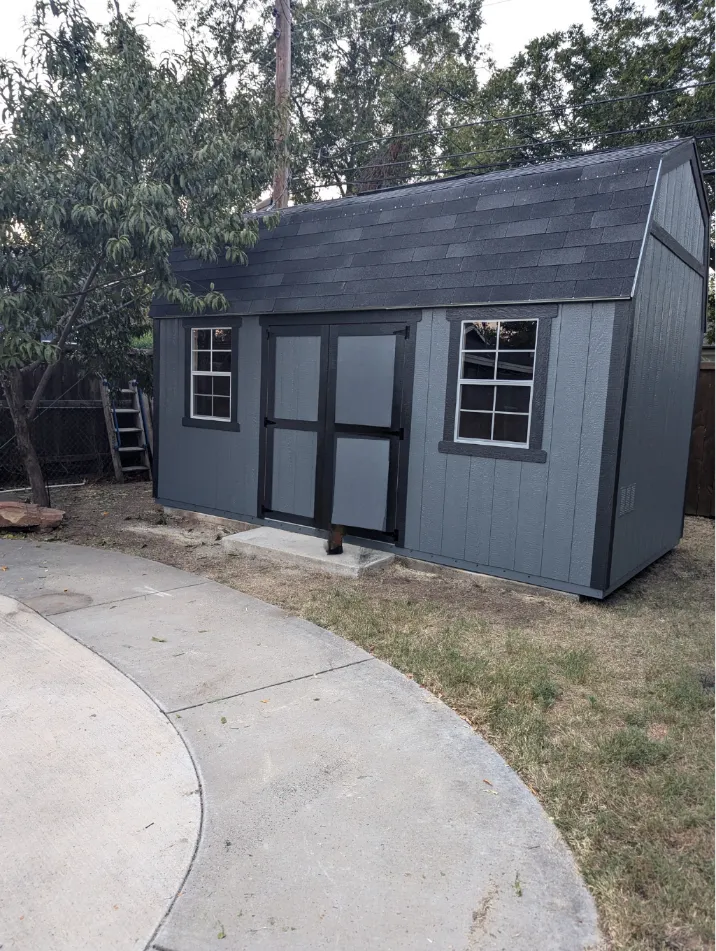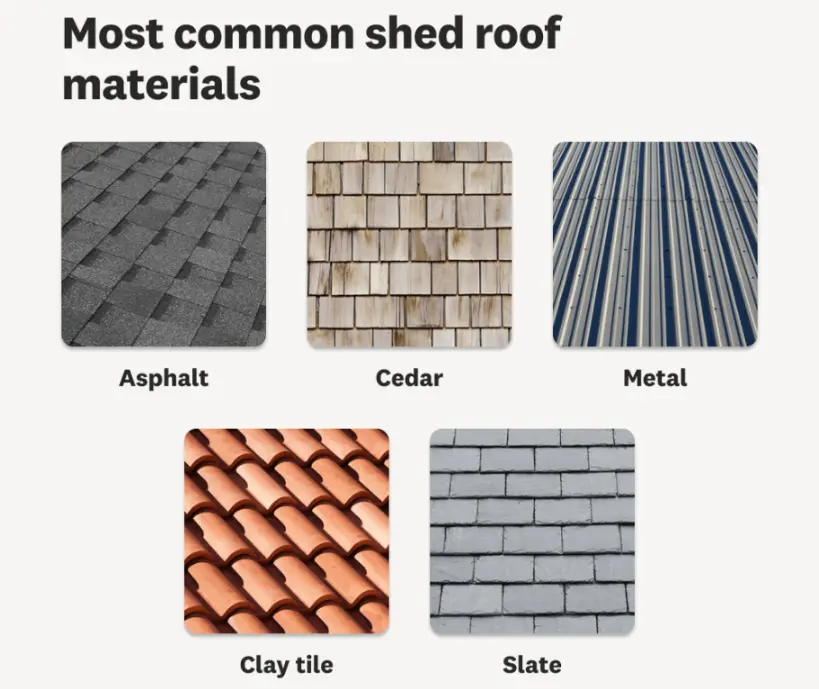
The roof is a crucial part of every shed as it protects everything inside from the weather. Above all, it has to be waterproof and durable. A quality shed roof should also be reliable, cost-effective and attractive.
There are many shed roof materials to choose from, which is great for options but can make the decision overwhelming. In this comprehensive guide, you'll find everything you need to know about each shed roof material, what makes it perfect for your needs and the detailed pros and cons of each. Whether you're building a shed in Denton, Bridgeport, Decatur or Azle, we'll help you choose the right roofing for Texas weather.
Table of Contents
- 8 Key Selection Factors
- 21 Roofing Materials
- 1. Felt Shingles
- 2. Metal Shingles
- 3. Asphalt Shingles
- 4. Wooden Shingles
- 5. Rubber Shingles
- 6. Composite Shingles
- 7. Three-Tab Shingles
- 8. Wood Shakes
- 9. Board-and-Batten
- 10. Asphalt Felt
- 11. Corrugated Sheets
- 12. Clay Tiles
- 13. Concrete Tiles
- 14. Plastic Tiles
- 15. Polycarbonate Panels
- 16. EPDM Rubber
- 17. Fiberglass MSR
- 18. CDX Plywood
- 19. OSB
- 20. Plastic Polymer
- 21. Artificial Turf
- Comparison Chart
- How to Choose
- Conclusion
8 Most Important Factors When Choosing a Shed Roof Material
Before diving into specific materials, understand these critical factors that determine which roofing is best for YOUR shed.
1. Waterproofing
Your shed stores valuable items that need to stay dry. The roofing material must be waterproof and, depending on your location, withstand snow and ice buildup.
Waterproofing is also affected by installation method. Some materials must overlap to create a continuous surface for water runoff. Others use nails or screws (creating potential leak points), while some use tape or adhesive with no holes at all.
2. Appearance
Your shed plays a role in your property's aesthetics. An unattractive roof isn't pleasant to look at for you or your neighbors and could affect your home's appraisal value.
If you live in an HOA-controlled area, check for restrictions on roofing materials. Also verify with your municipality for any local requirements.
3. Durability
Durability depends heavily on your local weather conditions. Ideally, shed roofing should withstand water penetration and strong winds for maximum protection.
The most durable shed roof coverings tend to be metal, cedar, asphalt shingles and felt—tried and tested materials known to last. Many newer materials can match this durability.
4. Lifespan
You want your roof to last as long as possible without replacement. Balance this against your budget—longer-lasting materials typically cost more upfront but save money over time.
5. Price
Consider your budget carefully. Cheap materials might need repairs or replacement quickly, costing more long-term. Spending more upfront on quality materials provides better longevity and protection.
The cheapest option is roofing felt, but it's not as weatherproof or durable as other materials.
6. Ease of Installation
Some materials are weekend DIY projects; others require professional installation. Shingles are relatively easy and can be done in a few hours.
Some materials (like steel roofing) require special fasteners that add to cost. You may also need underlayment, drip-edge, or roof vents—ensure these are compatible with your chosen material.
7. Maintenance
Maintenance requirements vary dramatically. Metal roofs require almost no maintenance when installed correctly. Cedar shakes are prone to rotting or splitting and need regular servicing.
If your free time is precious, choose low-maintenance options like steel or asphalt shingles. For maximum protection, consider weather-resistant upgrades and insulated sheds.
8. Roof Pitch
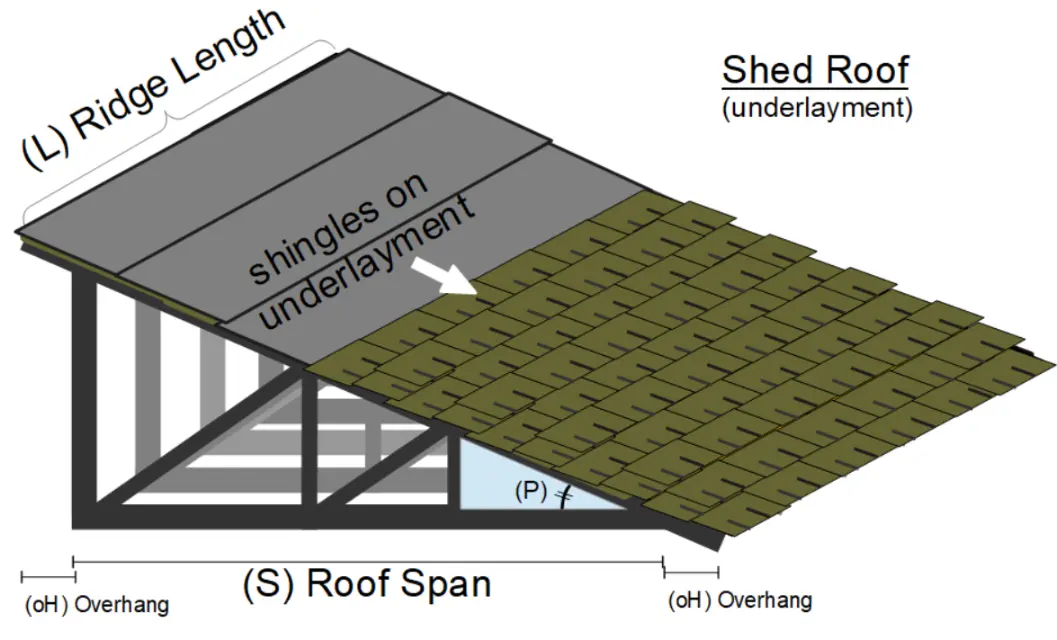
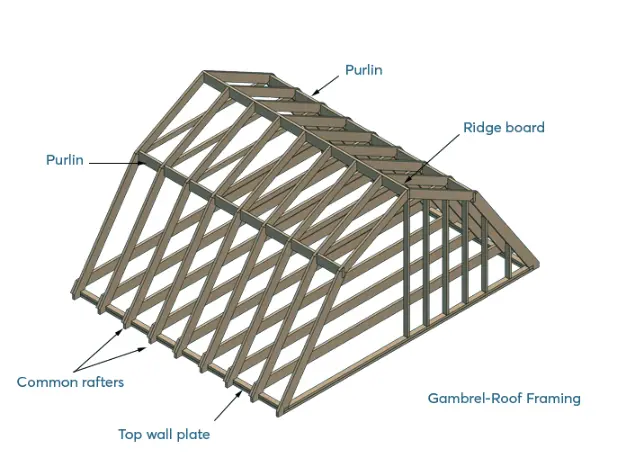
Your roof's pitch determines which materials you can use. Sheds can have flat roofs or pitches up to 20+ degrees.
If you live somewhere with lots of snow or rain, a steeper pitch is essential. Different materials have different minimum pitch requirements.
21 Most Popular Shed Roofing Materials
Here's a detailed breakdown of every major shed roofing option, with specifications, pros and cons for each.
1. Felt Shingles
Waterproof: Impervious to water
Appearance: Very attractive with many colors, shapes and sizes
Durability: Not as durable as other materials
Lifespan: 5-10 years
Price: $9-$10 per square foot
Ease of Installation: Effortless to install
Maintenance: Regular maintenance and repairs necessary
Roof Pitch: Minimum 2/12, ideal 4/12+
Felt shingles are a popular alternative to roofing felt. Available in a range of colors and patterns, they're easy to install using nails, screws, or adhesive.
Pros: Cost-effective, easy to install, wide variety of options, handles extreme temperatures well
Cons: Shorter lifespan, frequent maintenance needed, underlayment and fasteners add cost
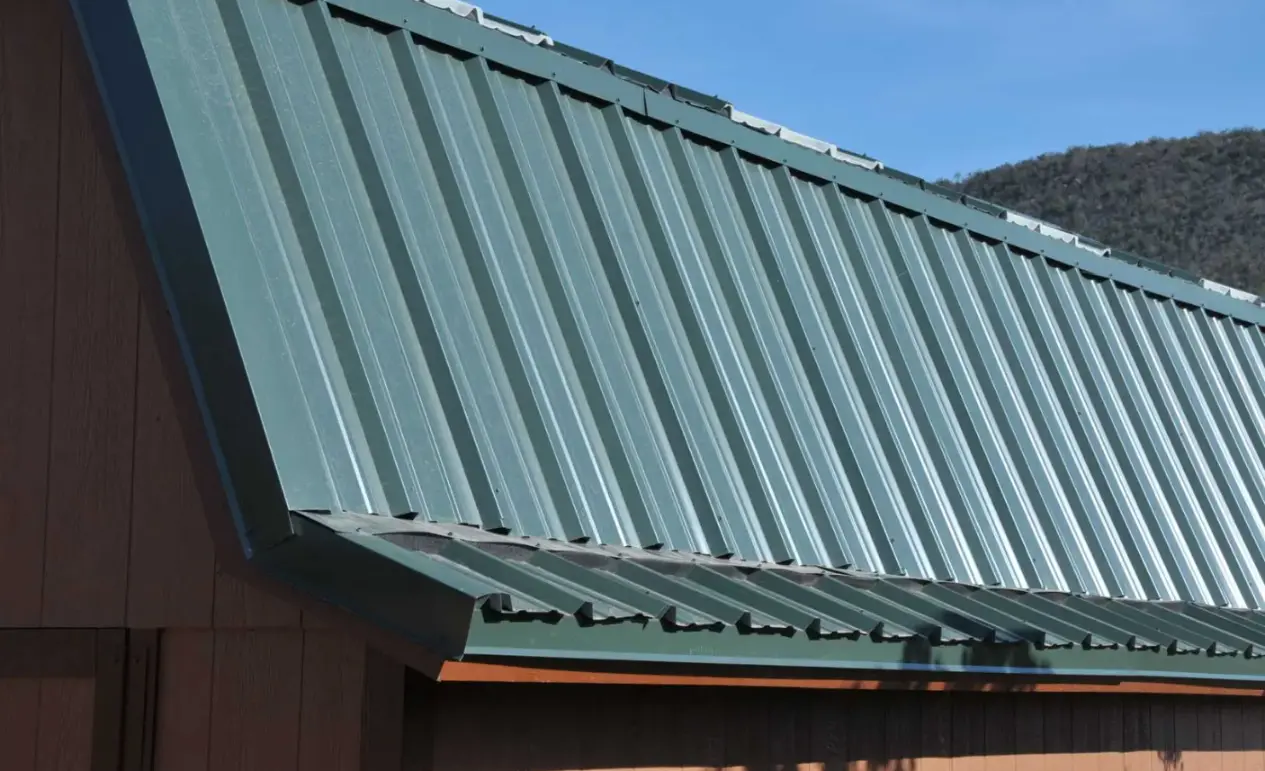
2. Metal Roofing Shingles
Waterproof: Very waterproof
Appearance: Very attractive, look just like traditional shingles
Durability: Very durable (may fade over time)
Lifespan: Lifetime warranties available
Price: Steel $1.50/sq ft; Copper up to $150/sq ft
Ease of Installation: May require specialist installation
Maintenance: Minimal
Roof Pitch: 3/12 minimum for crimped style
Metal shingles combine durability with aesthetics. They interlock together and look just like traditional shingles while offering superior protection.
Pros: Exceedingly durable, visually attractive, reflects heat
Cons: More expensive than many options, can be noisy during rain
3. Asphalt Shingles
Waterproof: Yes, when undamaged
Appearance: Various colors and styles available
Durability: Can be loosened by weather; moss, algae, leaves cause damage
Lifespan: 20-30 years
Price: $1.50 per square foot
Ease of Installation: One of the easiest materials to install
Maintenance: Periodic maintenance essential
Roof Pitch: Minimum 2/12 slope
Asphalt shingles are easy and cheap to install—just a hammer and roofing nails. Very durable and widely available.
Pros: Very affordable, extremely durable, easy installation
Cons: Not particularly attractive, won't work on flat roofs, absorbs heat
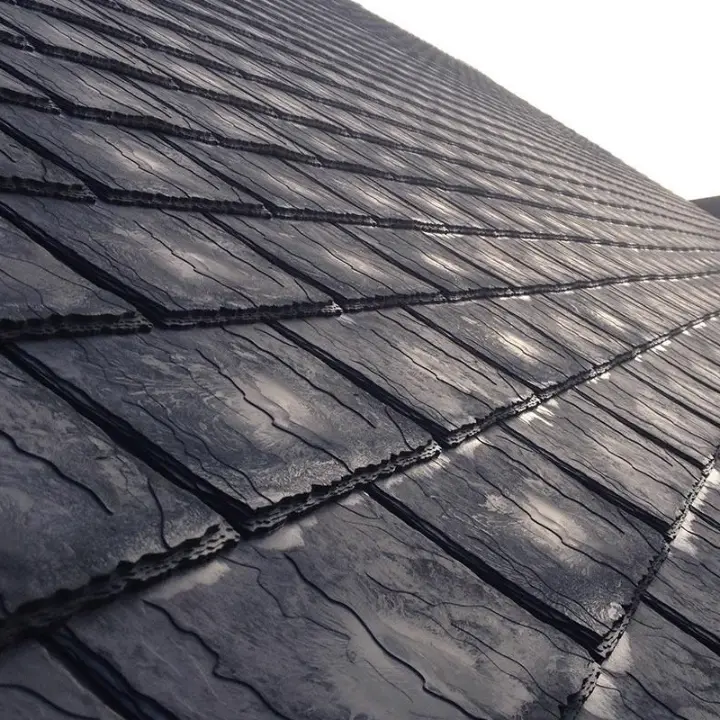
4. Wooden Shingles
Waterproof: Not waterproof—suitable only for steep pitches
Appearance: Very attractive
Durability: Very durable
Lifespan: 15 years untreated; up to 24 years with maintenance
Price: $2 per square foot
Ease of Installation: Reasonably easy
Maintenance: Minimal required
Roof Pitch: Minimum 4/12
Cedar is the best wood choice—highly durable and beautiful. A natural material that appeals to environmentally-conscious homeowners.
Pros: Very attractive, natural material, very durable
Cons: Not waterproof, UV damage can be an issue
5. Rubber Shingles
Waterproof: Water-resistant
Appearance: Look like traditional shingles
Durability: Exceedingly durable
Lifespan: Up to 50 years
Price: $0.40 per square foot
Ease of Installation: Simple—just cut to size
Maintenance: Minimal
Roof Pitch: Minimum 2/12
Rubber shingles are increasingly popular—easy to install, very durable and eco-friendly (made from recycled tires). Resistant to impacts, UV light and fire with manufacturer guarantees up to 50 years.
Pros: Immensely durable, extremely long-lasting, very easy to install
Cons: Can smell rubbery, not suitable for high-wind areas
6. Composite Shingles
Waterproof: Very waterproof
Appearance: Look like slate or cedar shakes
Durability: Very durable
Lifespan: Often lifetime warranty
Price: $1-$2 per square foot
Ease of Installation: Easy
Maintenance: Regular cleaning required
Roof Pitch: Minimum 4/12
Made from recycled rubber and plastic, composite shingles are eco-friendly and mimic the look of premium materials like cedar and slate at a fraction of the cost.
Pros: Very eco-friendly, looks like cedar/slate, durable, cheaper than real slate/cedar
Cons: Can be expensive, relatively new (less long-term testing)
7. Three-Tab Shingles
Waterproof: Yes
Appearance: Fairly attractive
Durability: Extremely durable
Lifespan: 20-30 years (average ~20)
Price: $1.50 per square foot
Ease of Installation: Easy like other shingles
Maintenance: Twice yearly maintenance required
Roof Pitch: Minimum 2/12
A classic, budget-friendly option that's been proven over decades.
Pros: Not expensive, very long-lasting, simple to install
Cons: Visually unappealing, can't use on flat roofs, heats up in summer
8. Wood Shakes
Waterproof: Driving rain can be an issue
Appearance: Very aesthetically pleasing, rustic
Durability: Very durable but needs treatment
Lifespan: 40+ years with regular treatment
Price: $4 per square foot
Ease of Installation: Easy
Maintenance: Regular treatment schedule required
Roof Pitch: Minimum 4/12
Hand-cut wood shakes have a rougher texture, non-uniform appearance and are thicker than shingles. Beautiful but less weatherproof.
Pros: Rustic and attractive, increases property value, reflects heat
Cons: More expensive, not weatherproof
9. Board-and-Batten Shed Roof
Waterproof: Not waterproof—requires underlayment
Appearance: Very beautiful, rustic
Durability: Susceptible to UV and debris damage
Lifespan: 20-30 years
Price: $5 per square foot
Ease of Installation: Complex—may need contractor
Maintenance: Regular cleaning essential
Roof Pitch: Minimum 4/12
Solid wooden boards with thinner strips (battens) covering the gaps. Boards come in 6", 8", or 10" widths; battens are typically 3" wide. Available in pine, cedar, or redwood.
Pros: Visually appealing, various installation options, impact resistant
Cons: Extremely expensive, not weatherproof, requires regular maintenance, may need professional installation
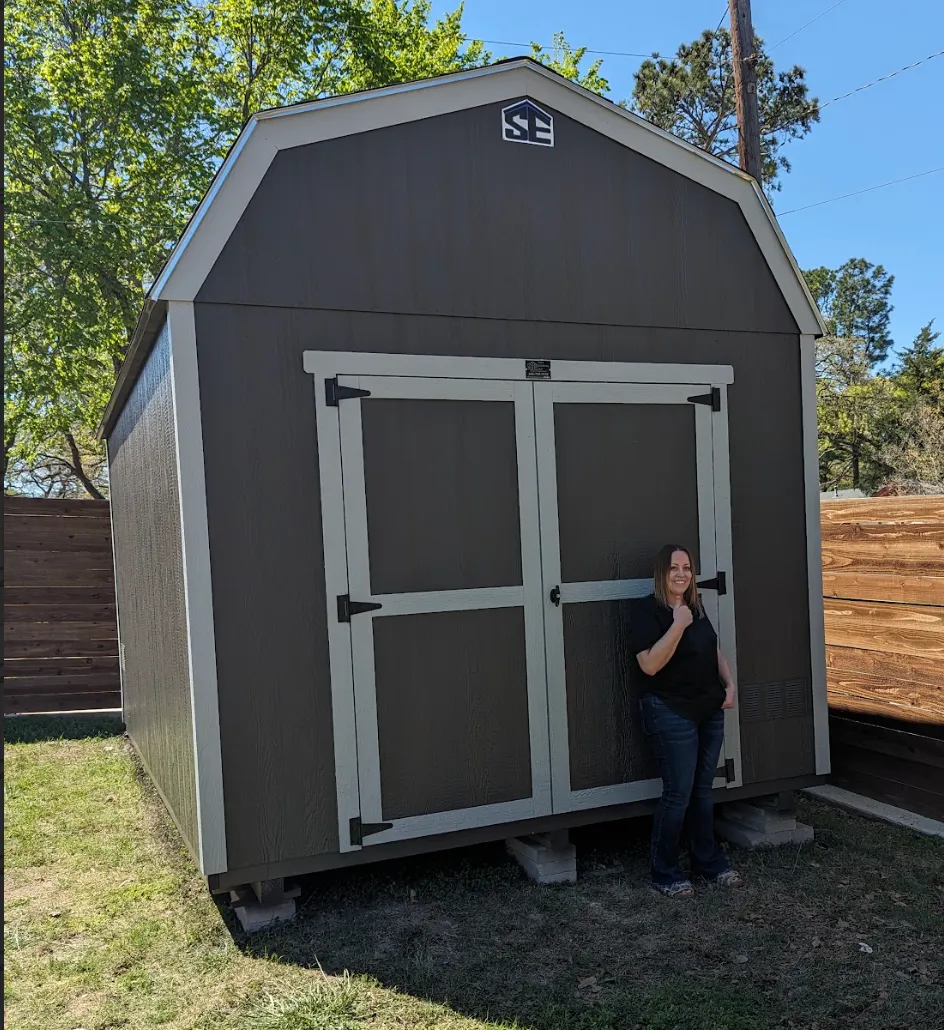
10. Asphalt Shed Roofing Felt
Waterproof: Relatively waterproof when installed correctly
Appearance: Not particularly attractive
Durability: Requires correct overlaps and sealing
Lifespan: ~15 years average
Price: ~$40 for 100 sq ft roof
Ease of Installation: Effortless—comes in rolls, adhesive installation
Maintenance: Little maintenance, occasional repairs
Roof Pitch: Works on slight slopes and flat roofs
Thickness: Boards usually 1" thick
Felt coated with asphalt on both sides, plus a granular coating for protection. Comes in rolls for easy installation.
Pros: Very cheap, quick installation/replacement, impact resistant, works on flat roofs
Cons: Shorter lifespan, not attractive, heat absorption issues, UV/weather damages granular layer
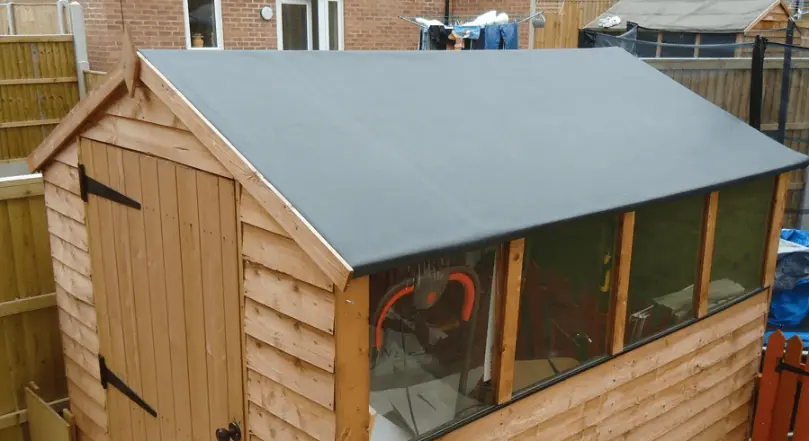
11. Corrugated Shed Roofing Sheets
Waterproof: Very waterproof when installed correctly
Appearance: Industrial look
Durability: Most durable of all materials
Lifespan: 50+ years
Price: $75-$200 for 100 sq ft (steel cheaper, aluminum more)
Ease of Installation: Challenging
Maintenance: None required
Roof Pitch: Raised seam panels work at 0.5/12
Thickness: Measured in gauges—lower gauge = thicker, more durable, more expensive
One of the most durable options. Panels come in 27"-48" widths and 8' or 10' lengths. Can be ordered to run vertically to minimize seams. Most include special coatings for longevity.
Pros: Most durable option, works on shallow pitches, reflects heat
Cons: Not the cheapest, challenging installation
12. Clay Shed Roof Tiles
Waterproof: Not ideal for moisture prevention
Appearance: Very aesthetically appealing
Durability: Extremely long-lasting
Lifespan: Several decades
Price: $0.40 to $100+ per square foot
Ease of Installation: Not as easy as other materials
Maintenance: Minimal
Roof Pitch: Minimum 4/12 (2.5/12 with double underlayment)
Clay tiles add curb appeal and have been used for centuries. Moisture penetration can be an issue, requiring weatherproof underlayment.
Pros: Stunning appearance, lasts decades, clay or concrete interlocking options
Cons: Very heavy (shed must be sturdy), underlayment essential, very expensive
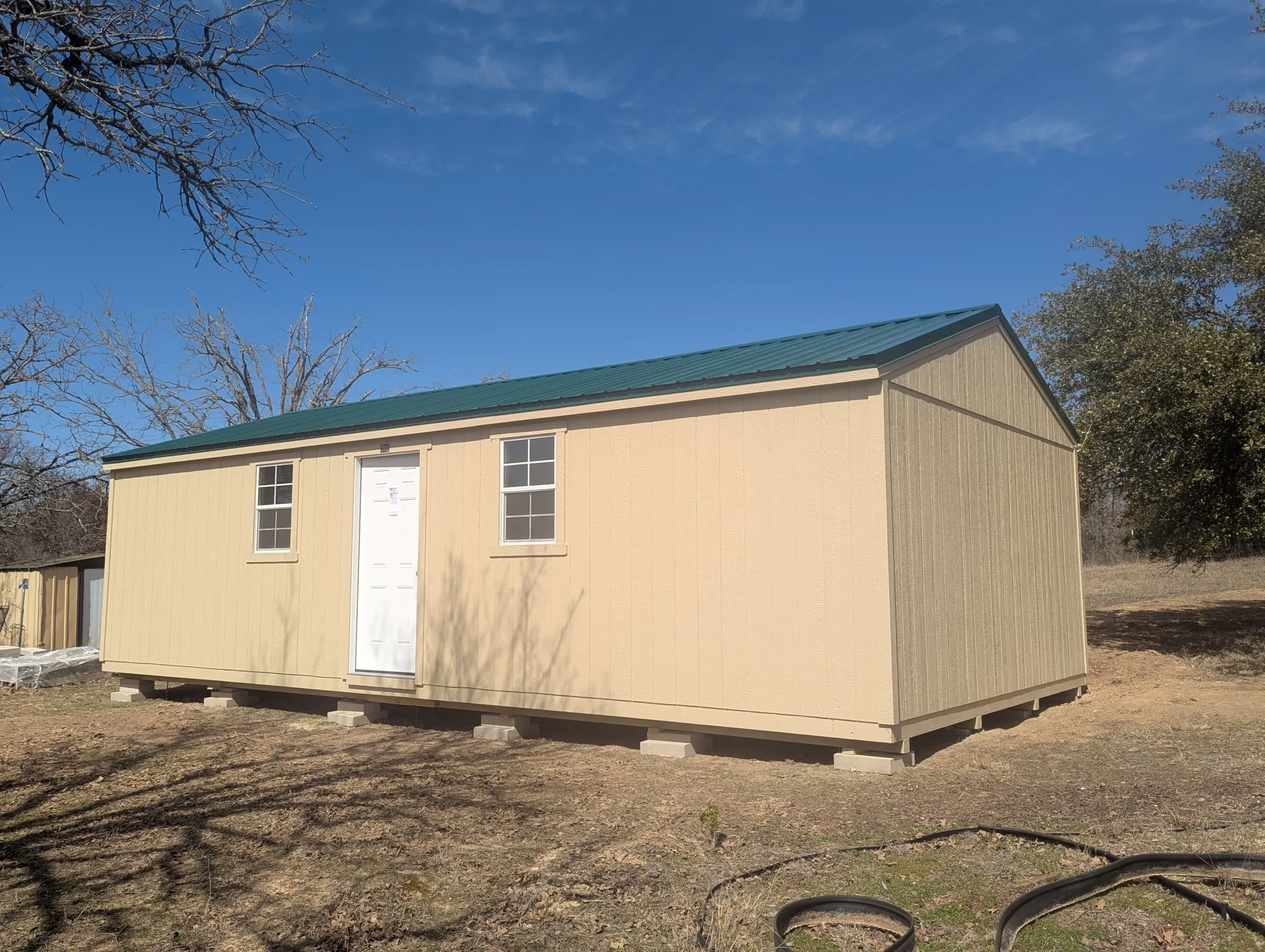
13. Concrete Shed Roofing Tiles
Waterproof: Very waterproof with correct pitch
Appearance: Particularly attractive
Durability: Very durable
Lifespan: Decades
Price: $3-$5 per square foot
Ease of Installation: Requires sturdy support structure
Maintenance: Very little needed
Roof Pitch: Ideal 4/12
Modern version of traditional clay tiles. Tremendously hard-wearing but very heavy—the shed structure must support significant extra weight.
Pros: Fireproof, energy efficient, extremely durable
Cons: Requires substantial structural support, costly, somewhat fragile
14. Plastic Shed Roof Tiles
Waterproof: Very waterproof
Appearance: Very attractive, wide color choice
Durability: Extremely durable
Lifespan: 40 years
Price: $4-$6 per square foot
Ease of Installation: DIY-friendly
Maintenance: Minimal
Roof Pitch: Minimum 2/12
A modern, lightweight option that anyone with basic DIY skills can install.
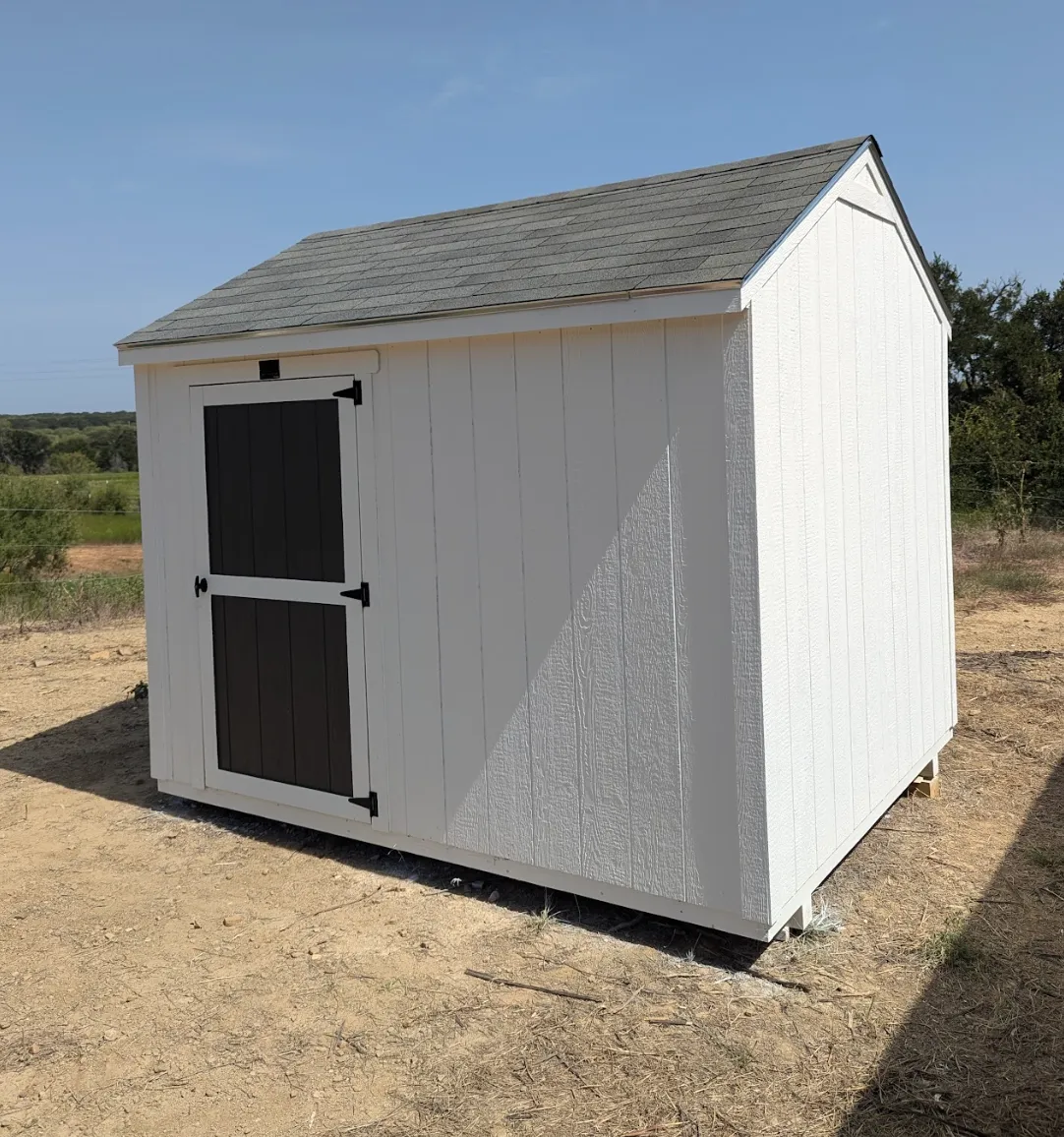
15. Polycarbonate Shed Roofing Panels
Waterproof: Very waterproof
Appearance: Not particularly attractive
Durability: Easily scratched by branches
Lifespan: 10-20 years
Price: $2 per square foot
Ease of Installation: Easy with special fasteners and foam backing strips
Maintenance: Minimal
Roof Pitch: Minimum ~1/12
Super-strong plastic that withstands harsh weather. Popular for greenhouses and anything needing transparent cover. Available in 6', 8', 10' and 12' lengths, ~26" wide and now in various colors.
Pros: Blocks UV light, handles extreme temperatures, easy installation
Cons: Dents and scratches easily, less durable than other materials, requires correct fasteners
16. EPDM Rubber Roofing Membrane
Waterproof: Very waterproof
Appearance: Not very attractive
Durability: Very durable (impacts can cause damage)
Lifespan: 50+ years
Price: ~$80 for 100 sq ft roof
Ease of Installation: Effortless
Maintenance: None required
Roof Pitch: Works on flat and low-pitch roofs
Popular for commercial buildings, especially flat/low-pitch roofs. Made from recycled rubber, comes in rolls. Apply adhesive, roll out the membrane, cover seams with special latex tape.
Pros: Very affordable, extremely long-lasting, very lightweight
Cons: Impact damage and punctures possible, not attractive
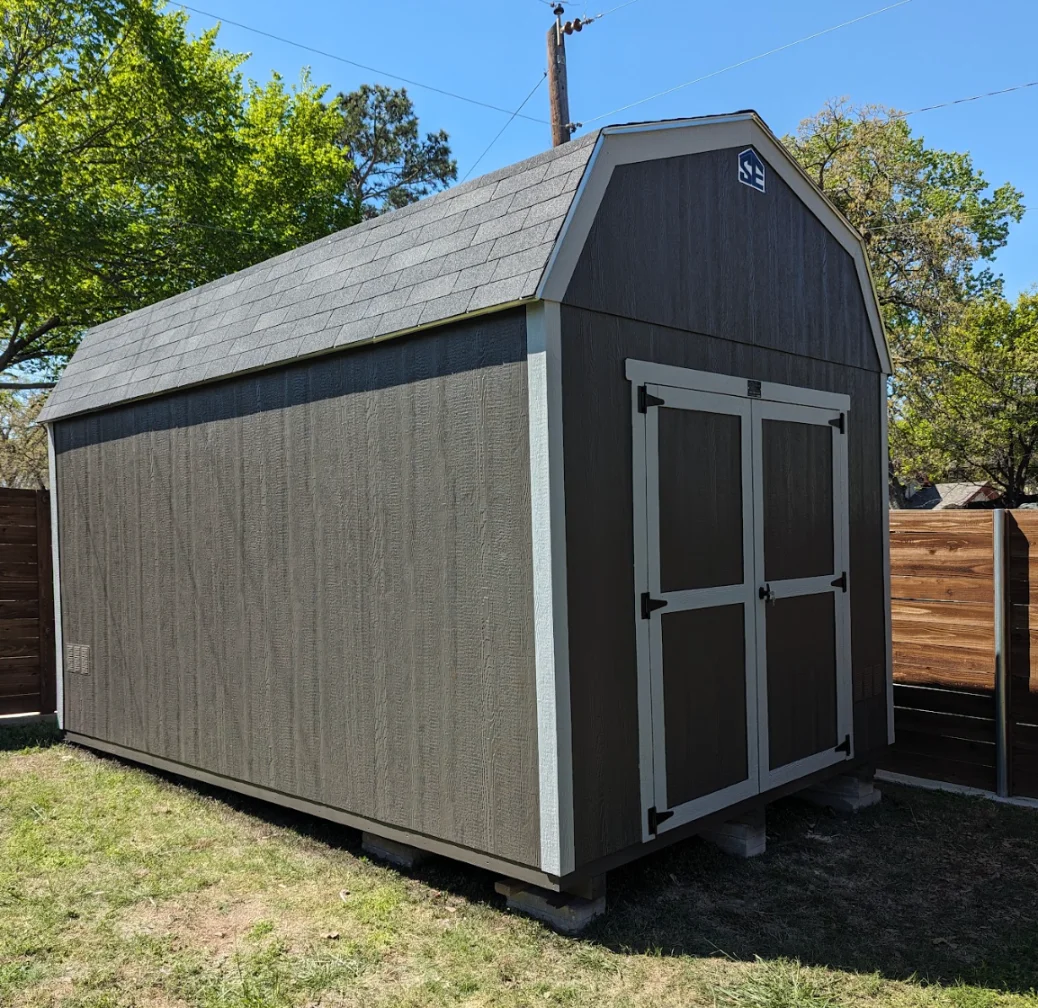
17. Fiberglass Mineral Surface Roll (MSR) Shed Roofing
Waterproof: Reasonably waterproof
Appearance: Not very attractive
Durability: Not as durable as shingles
Lifespan: 5-8 years
Price: $0.50 per square foot
Ease of Installation: One of the easiest
Maintenance: Minimal
Roof Pitch: Minimum 2/12
The cheapest and easiest shed roofing to install. Most homeowners can do it themselves. Thinner and less durable than asphalt shingles.
Pros: Least expensive roofing material, cover a shed in under an hour, easy to cut
Cons: Only a few colors available, less durable than shingles, short lifespan, HOAs may not allow
18. Exterior Grade Plywood (CDX)
Waterproof: Prolonged water exposure causes damage
Appearance: More attractive than OSB
Durability: Very durable when pressure-treated
Lifespan: Several decades when pressure-treated
Price: $5 per square foot
Ease of Installation: Fairly easy
Maintenance: Minimal
Roof Pitch: Minimum 4/12
Thickness: 1/2" ideal
Popular for water resistance, structural stability and low cost. CDX indicates construction grade for exterior applications.
Pros: Water resistance improved by pressure-treating, easy to install, relatively attractive
Cons: Can't withstand prolonged water exposure, more expensive than OSB
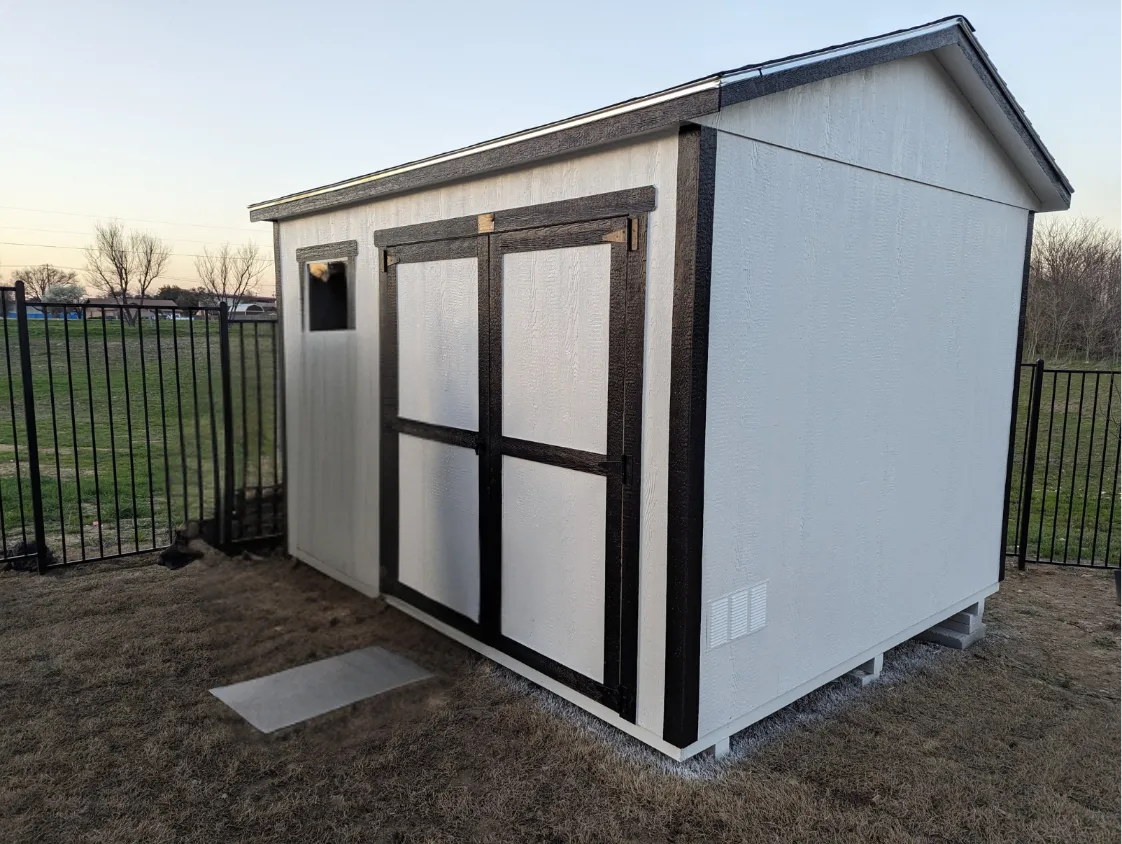
19. Oriented Strand Board (OSB)
Waterproof: Improved by adding roofing felt
Appearance: Not very attractive
Durability: Subject to rotting
Lifespan: Several decades
Price: $3.50 per square foot
Ease of Installation: Very easy
Maintenance: Minimal
Roof Pitch: Ideal 4/12
Thickness: Typical 1/2" for sheds
Budget-friendly option. Use OSB3 grade for roofing. Strong, versatile and cost-effective. Add roofing felt on top to increase lifespan.
Pros: Very affordable, easy to install, more environmentally friendly
Cons: Not attractive, rotting issues with prolonged moisture exposure
20. Plastic Polymer Roofing Shingles
Waterproof: Yes
Appearance: Don't compare aesthetically to real shingles
Durability: Relatively durable so far
Lifespan: ~20 years (still being tested)
Price: $7.75-$14.50 per square foot
Ease of Installation: Easy
Maintenance: Average
Roof Pitch: Minimum 2/12
Made mostly from recycled plastic. Not the best for visual appeal. Only around for a few decades, so long-term durability is still being determined.
Pros: 100% recycled materials, lightweight, fire and wind resistant, mold/moss/lichen won't grow
Cons: Can be expensive, relatively new and not fully tested
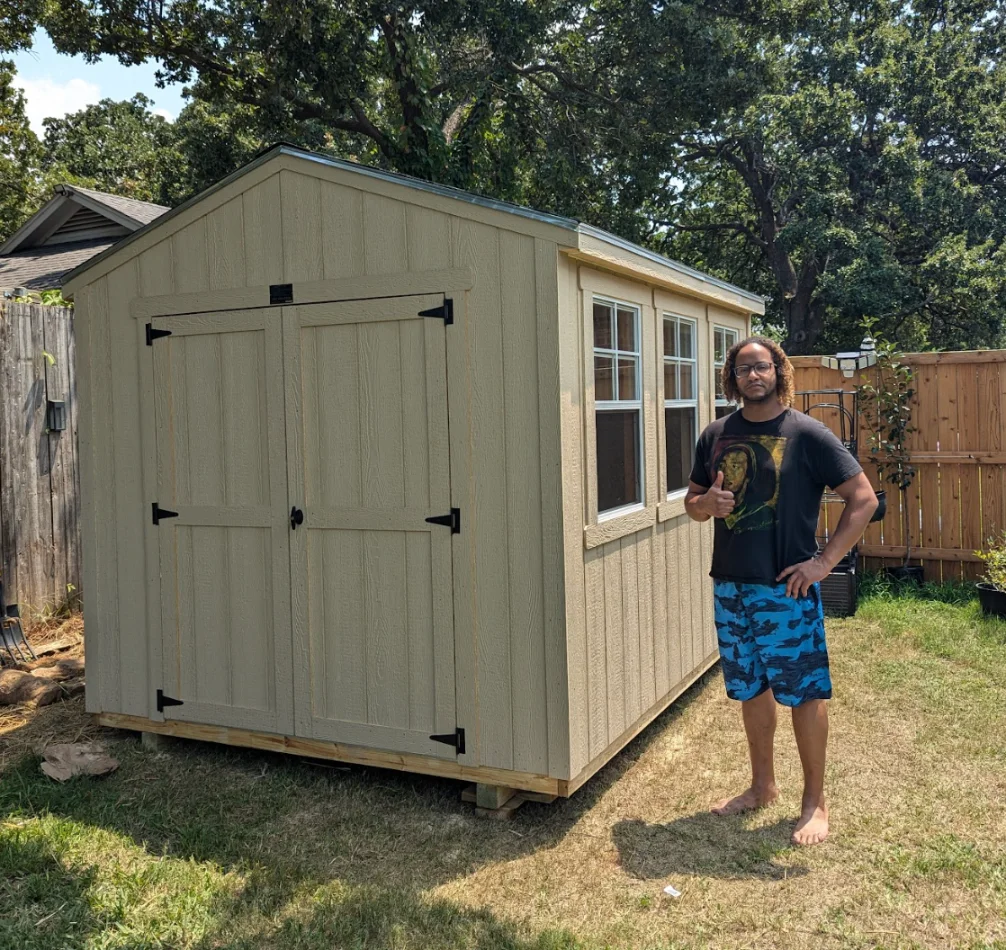
21. Artificial Grass Turf Shed Roofing
Waterproof: Yes, with underlayment
Appearance: Beautiful and natural-looking
Durability: Surprisingly durable (may fade in severe weather)
Lifespan: Up to 25 years
Price: $5-$18 per square foot
Ease of Installation: Uncomplicated
Maintenance: Absolutely none
Roof Pitch: 4/12
Not the first material people think of, but surprisingly functional. A great alternative to a living "green roof" without the hassle of planting and watering. Underlayment is essential; attach turf to it.
Pros: Very lightweight, almost no maintenance, no watering needed
Cons: Not eco-friendly, quality turf is expensive, severe weather causes fading/damage
Complete Shed Roofing Materials Comparison Chart
| Material | Lifespan | Price/sq ft | Maintenance | Min Pitch |
|---|---|---|---|---|
| Felt Shingles | 5-10 yrs | $9-$10 | High | 2/12 |
| Metal Shingles | Lifetime | $1.50-$150 | Minimal | 3/12 |
| Asphalt Shingles | 20-30 yrs | $1.50 | Medium | 2/12 |
| Wooden Shingles | 15-24 yrs | $2 | Minimal | 4/12 |
| Rubber Shingles | 50 yrs | $0.40 | Minimal | 2/12 |
| Composite Shingles | Lifetime | $1-$2 | Regular cleaning | 4/12 |
| Three-Tab Shingles | 20-30 yrs | $1.50 | Twice yearly | 2/12 |
| Wood Shakes | 40+ yrs | $4 | Regular treatment | 4/12 |
| Board-and-Batten | 20-30 yrs | $5 | Regular cleaning | 4/12 |
| Asphalt Felt | ~15 yrs | $0.40 | Low | Flat OK |
| Corrugated Sheets | 50+ yrs | $0.75-$2 | None | 0.5/12 |
| Clay Tiles | Decades | $0.40-$100+ | Minimal | 4/12 |
| Concrete Tiles | Decades | $3-$5 | Very low | 4/12 |
| Plastic Tiles | 40 yrs | $4-$6 | Minimal | 2/12 |
| Polycarbonate | 10-20 yrs | $2 | Minimal | 1/12 |
| EPDM Rubber | 50+ yrs | $0.80 | None | Flat OK |
| Fiberglass MSR | 5-8 yrs | $0.50 | Minimal | 2/12 |
| CDX Plywood | Decades | $5 | Minimal | 4/12 |
| OSB | Decades | $3.50 | Minimal | 4/12 |
| Plastic Polymer | ~20 yrs | $7.75-$14.50 | Average | 2/12 |
| Artificial Turf | 25 yrs | $5-$18 | None | 4/12 |
How to Choose the Best Shed Roofing Material
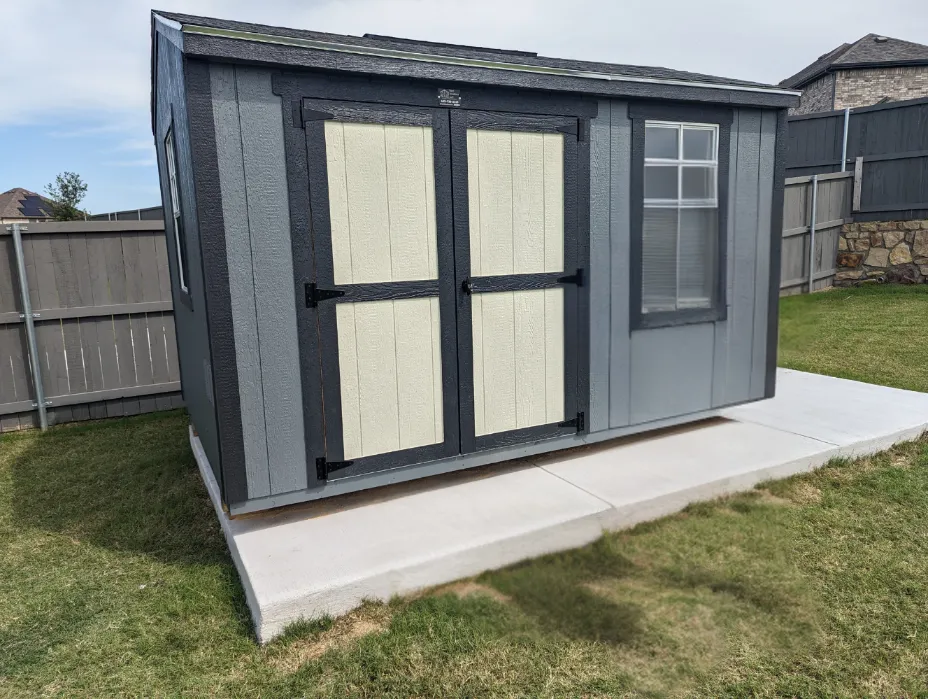
Start with your climate threats. In Texas, that's primarily heat, hail and driving rain. Metal handles all three exceptionally well, which is why we use it on most builds. For complete storm protection, pair quality roofing with other storm-resistant shed upgrades.
Consider the shed's purpose. A storage shed nobody enters can tolerate a hotter interior than a workshop or office. This affects whether heat reflection matters. For climate-controlled spaces, add insulation under the roof deck to maximize efficiency.
Think about visibility. A shed tucked in the back corner doesn't need architectural roofing. A pool house visible from every window might justify matching your home's aesthetic.
Budget honestly. A cheap asphalt roof saves money today but needs replacement in 15 years. Metal costs more upfront but outlasts you. Calculate total cost of ownership, not just purchase price.
Conclusion
There are many different materials you can use on your shed roof. Finding the right one can be challenging because they all have advantages and disadvantages.
The cheapest option for a shed roof is felt shingles or MSR roll roofing. They're relatively long-lasting and uncomplicated to install.
For maximum durability, corrugated metal roofing or EPDM rubber membranes offer 50+ year lifespans with minimal maintenance.
For best appearance, wood shakes, composite shingles, or clay tiles provide stunning aesthetics—at a higher price point.
Whatever material you choose, don't forget to paint or seal it. Proper finishing reduces corrosion and prolongs the life of your shed roof significantly.
Need Help Choosing the Best Roofing for Your Shed?
- See Our Work: Browse quality shed builds
- Where we build: Fort Worth, Denton, Decatur, Rhome, Bridgeport
- Financing Available: Flexible payment plans
- Contact Us: Call (682) 730-2238
Frequently Asked Questions
What is the cheapest way to roof a shed?
The cheapest shed roofing material is MSR (Mineral Surface Roll) roofing at around $0.50 per square foot. It's also one of the easiest to install and you can cover large areas quickly. Asphalt roofing felt is another budget option at about $0.40 per square foot for a 100 sq ft roof.
What is the best material for a shed roof?
The best shed roofing material depends on your budget and priorities. If budget is limited, MSR roll roofing might be your only affordable option. If money is no object, the best materials are board-and-batten, wood shakes, or premium roofing shingles for aesthetics, or corrugated metal for maximum durability (50+ years).
What kind of wood should I use for a shed roof?
Cedar or pine shingles are excellent materials for a shed roof. Cedar is preferred for its natural rot resistance, beautiful appearance and durability (15-40+ years with proper maintenance). Pine is more affordable but requires more treatment.
How long does a metal shed roof last?
Metal shed roofs typically last 40-60 years with minimal maintenance. Some manufacturers offer lifetime warranties. Corrugated steel or aluminum panels can last 50+ years. Quality of installation significantly affects longevity.
Can you put a living roof on a shed?
Yes, you can plant a living (green) roof on a shed, but you must first ensure the shed's structure is sturdy enough to support the additional weight of soil, plants and water retention. Alternatively, artificial grass turf provides a similar natural look without the weight or maintenance requirements.
What roof pitch do I need for shed shingles?
Most shingles require a minimum 2/12 pitch (2 inches of rise per 12 inches of run), though 4/12 or steeper is ideal for better water runoff. Flat or very low-slope roofs need rubber membranes (EPDM) or roll roofing instead of traditional shingles.
Are rubber shingles good for sheds?
Yes, rubber shingles are excellent for sheds. Made from recycled tires, they're eco-friendly, extremely durable (up to 50 years), water-resistant, UV-resistant and fire-resistant. They're easy to install by simply cutting to size and require minimal maintenance. The only downsides are a slight rubbery smell and unsuitability for high-wind areas.
Do metal roofs make sheds hotter?
Actually the opposite. Metal reflects solar radiation while asphalt shingles absorb it. An uninsulated metal-roof shed stays cooler than an uninsulated shingled shed. This makes metal roofing particularly valuable in hot climates like Texas.