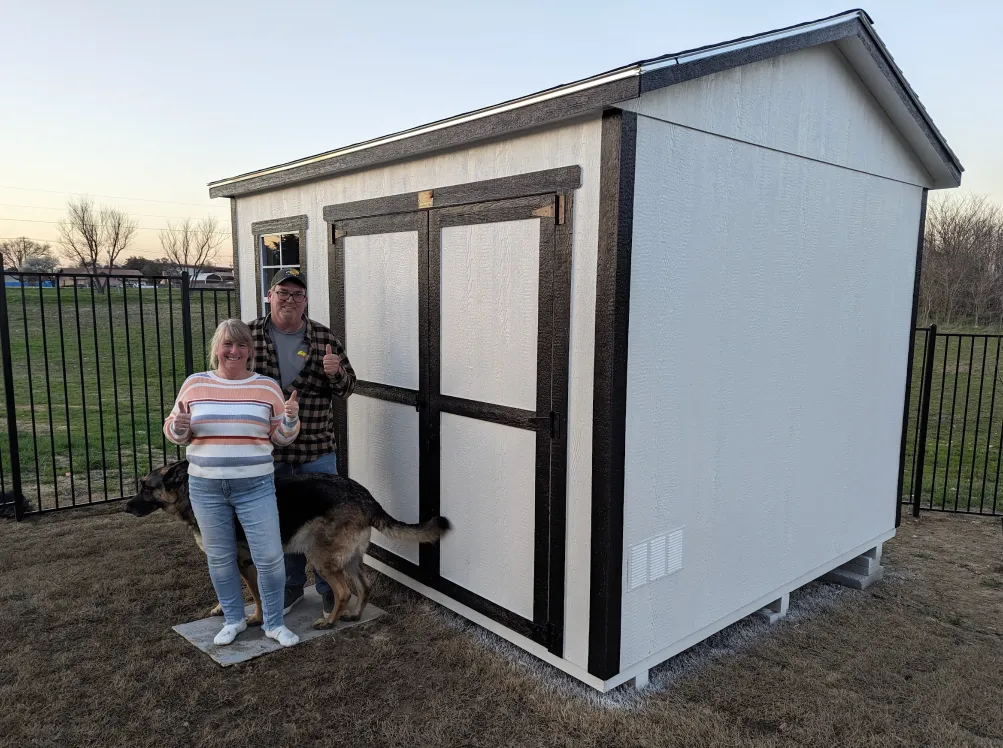
Your backyard deserves more than a rusty metal box from the big box store. A proper garden shed becomes the heart of your outdoor space. It keeps your tools dry, your mower protected and your yard looking clean instead of cluttered. We have built hundreds of these structures for homeowners across Fort Worth, Denton and the surrounding areas. Each one gets customized to fit the property and the way the owner actually uses their yard.
Picking the right garden shed takes some thought. You need to consider what you will store, how much space you have and what style fits your home. Get it right and you end up with a backyard shed that serves you well for decades. Get it wrong and you have an eyesore that does not hold half of what you need it to.
5 Things To Consider If Your Garden Shed Is the BEST for the Upgrade
1. Find Somewhere Near Your DESTINATION
Your garden shed should be close to where you actually work. If you spend most of your time tending vegetable beds, place the shed nearby so grabbing a trowel or watering can takes seconds, not a trek across the yard. Think about the flow of your gardening routine—the less distance between your shed and your work area, the more you'll actually use it properly.
2. Size That Lets Your Tools 'Breathe'
Cramming everything into a tiny shed leads to frustration. You need room to move around, pull items off shelves without knocking others over and actually find what you're looking for. Find the space needed before placing the shed in place—measure your largest equipment and add breathing room. A shed that's slightly bigger than you think you need usually turns out to be just right.
3. Choose a Shed that Is Compatible With Your Weather
Texas weather doesn't play nice with cheap materials. Your garden shed needs to handle scorching summers, sudden storms and humidity that makes everything feel damp. Look for proper ventilation to prevent mold, quality roofing that sheds water fast and materials rated for outdoor exposure. A shed built for our climate lasts years longer than one designed for milder regions.
Figure Out What You Actually Need
Start by making a mental list of everything that will go in your garden shed. Most folks underestimate this. Walk around your garage and yard right now. Count the rakes, shovels, hoses, bags of fertilizer, pots, planters and seasonal decorations. Add your lawn mower, weed trimmer, leaf blower and any other power equipment. Now think about what you wish you had space for but currently do not.
A basic storage shed works fine if you just need to stash hand tools and a push mower. But if you want room to pot plants, store bags of soil and keep your gardening supplies organized then you need something bigger with better interior layout. Homeowners in Rhome and Azle often tell us they wish they had gone larger on their first shed. The cost difference between sizes is usually smaller than people expect.
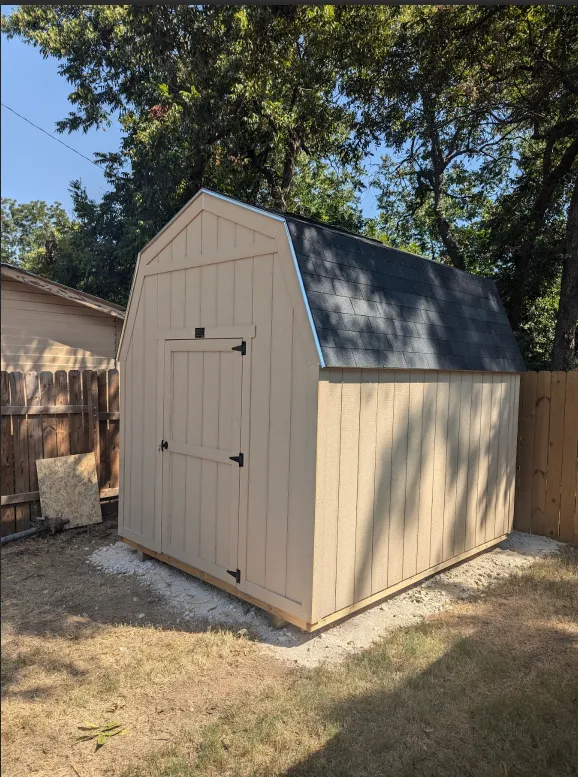
Size Matters More Than You Think
Garden sheds range from compact 8x8 units up to spacious 12x20 buildings. Here is how we typically break down the sizing:
| Size | Dimensions | Best For |
|---|---|---|
| SMALL | 8x8 to 8x10 | Hand tools, push mower, basic gardening supplies, seasonal items |
| MEDIUM | 10x12 to 10x14 | Riding mower, power equipment, organized shelving, potting area |
| LARGE | 12x16 to 12x20 | Workshop space, workbench, multiple equipment, hobby projects |
| X-LARGE | 14x20+ | Full workshop, vehicle storage, she-shed, home office conversion |
An 8x10 shed holds hand tools, a push mower, some seasonal items and basic gardening supplies. This works for smaller yards or as a secondary storage shed. It fits tight spaces and costs less but fills up fast.
A 10x12 shed gives you room to breathe. You can fit a riding mower, multiple pieces of power equipment, all your hand tools and still have space for shelving. This size works well for most suburban properties in Bridgeport and Decatur.
A 12x16 or larger shed becomes a true workshop shed. You have room for a workbench, tool storage, equipment and projects in progress. If you do any woodworking, furniture refinishing or serious gardening then this size makes sense. Check our complete shed size guide for more details.
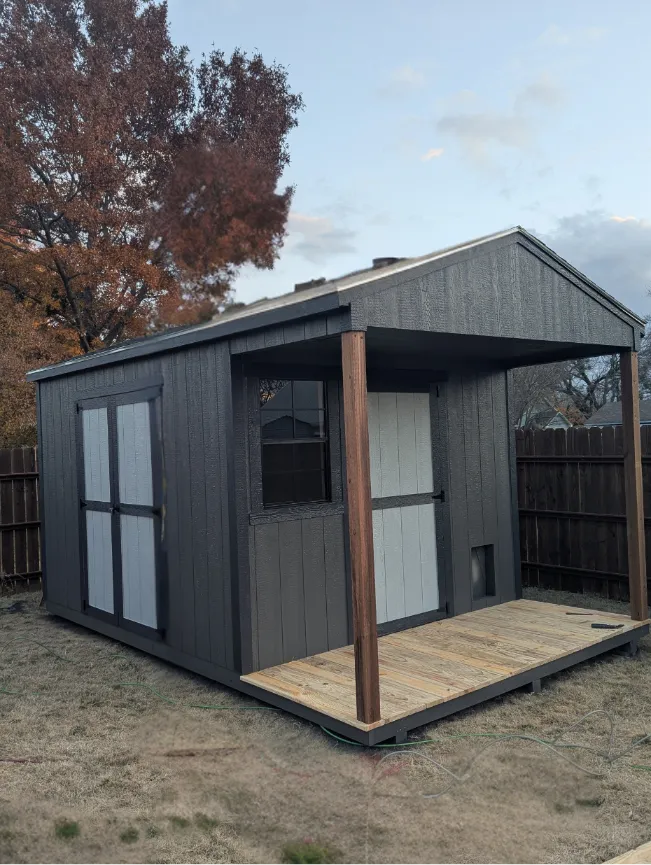
Picking a Style That Fits Your Property
The style of your backyard shed should complement your home. A rustic barn style shed looks great on a country property but might seem out of place in a modern subdivision. Similarly a sleek contemporary design could clash with a traditional ranch house.
Our A frame sheds have that classic look most people picture when they think of a garden shed. The peaked roof sheds water well and provides some overhead storage space. These work with almost any home style and remain our most popular choice.
The barn style shed gives you extra headroom thanks to the gambrel roof design. That curved roofline creates usable loft space for storing lightweight items. The look is distinctly rural which appeals to many of our customers in the more spread out areas north of Fort Worth.
Location Changes Everything
Where you put your garden shed affects how useful it becomes. Think about the path you will walk carrying tools and equipment. If the shed sits at the far corner of your property you will be less likely to put things away properly. Closer to your garden beds and work areas makes more sense for daily use.
Drainage matters too. You want the ground to slope away from your shed so water does not pool around the base. Low spots in your yard might seem like good locations because they are out of the way but they turn into mud pits after every rain. We can help you evaluate your property when we come out for a quote.
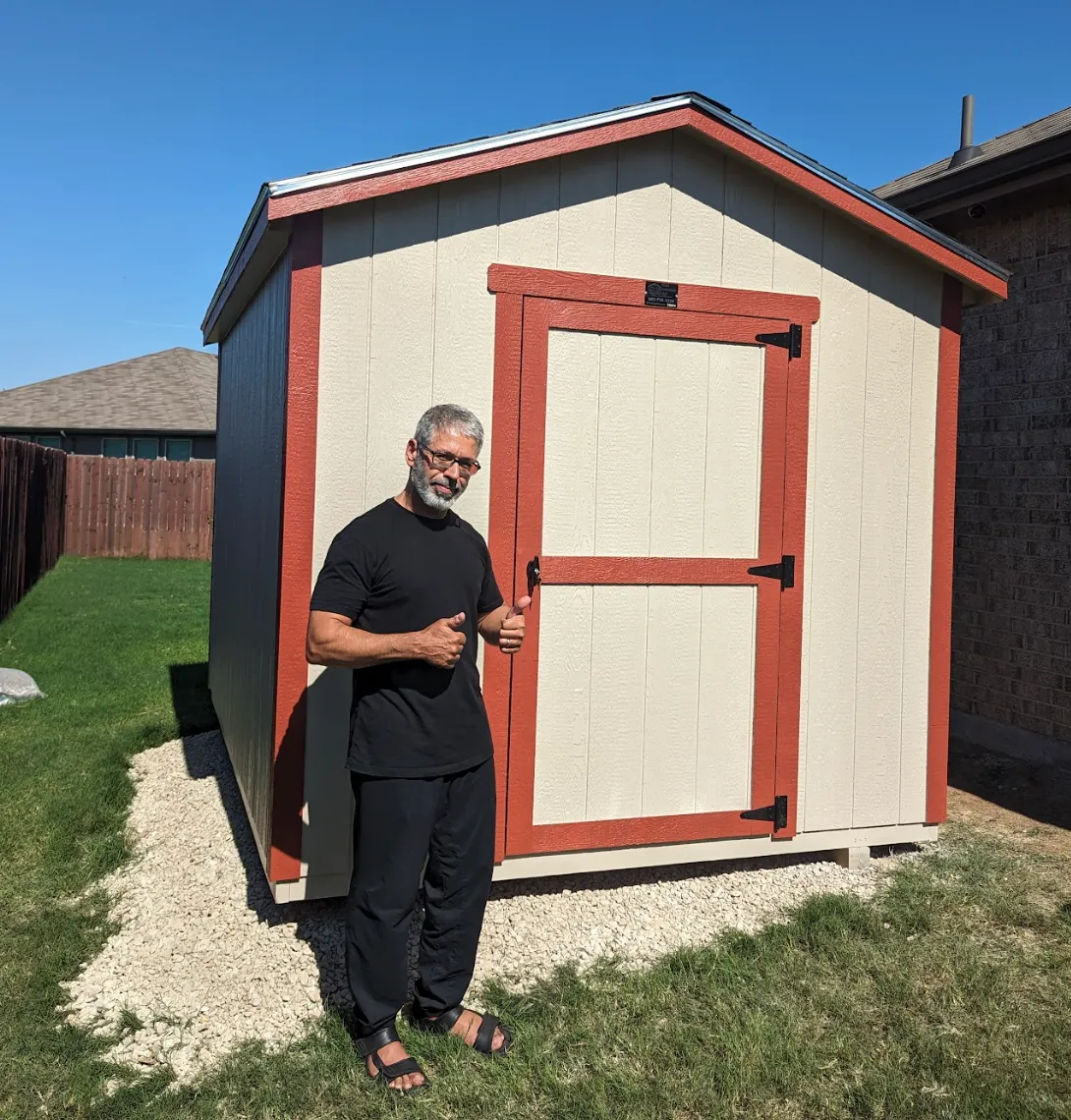
Check your local setback requirements before committing to a location. Most cities require sheds to be a certain distance from property lines and sometimes from your main house. Homeowners in Denton and Fort Worth deal with different rules so verify what applies to your address. Read our guide on selecting the ideal location for more tips.
Features That Make a Difference
Windows add natural light which makes finding things easier and makes the space more pleasant to work in. If you plan to use your shed as a potting station or workshop then windows become almost essential. We can add them to any wall depending on your preference and sun exposure.
Shelving and workbenches transform empty floor space into organized storage. Built in options work better than freestanding units because they attach to the wall studs and can hold more weight. We can customize the interior layout based on what you plan to store.
Door size and placement matter more than people realize. A standard 36 inch door works fine for hand tools but you need double doors or a wider single door to get a riding mower in and out. Think about your largest piece of equipment and make sure it fits through the opening.
Dealing with Texas Weather
Our climate puts outdoor structures to the test. Summer heat, spring storms, occasional hail and humidity all take their toll. A well built storage shed handles all of it but you need the right materials and construction methods.
We use pressure treated lumber for the floor system because ground contact and moisture are constant threats. The walls get quality siding with proper flashing to keep water out. Roof pitch matters for shedding rain quickly and we always install drip edges to protect the fascia boards.
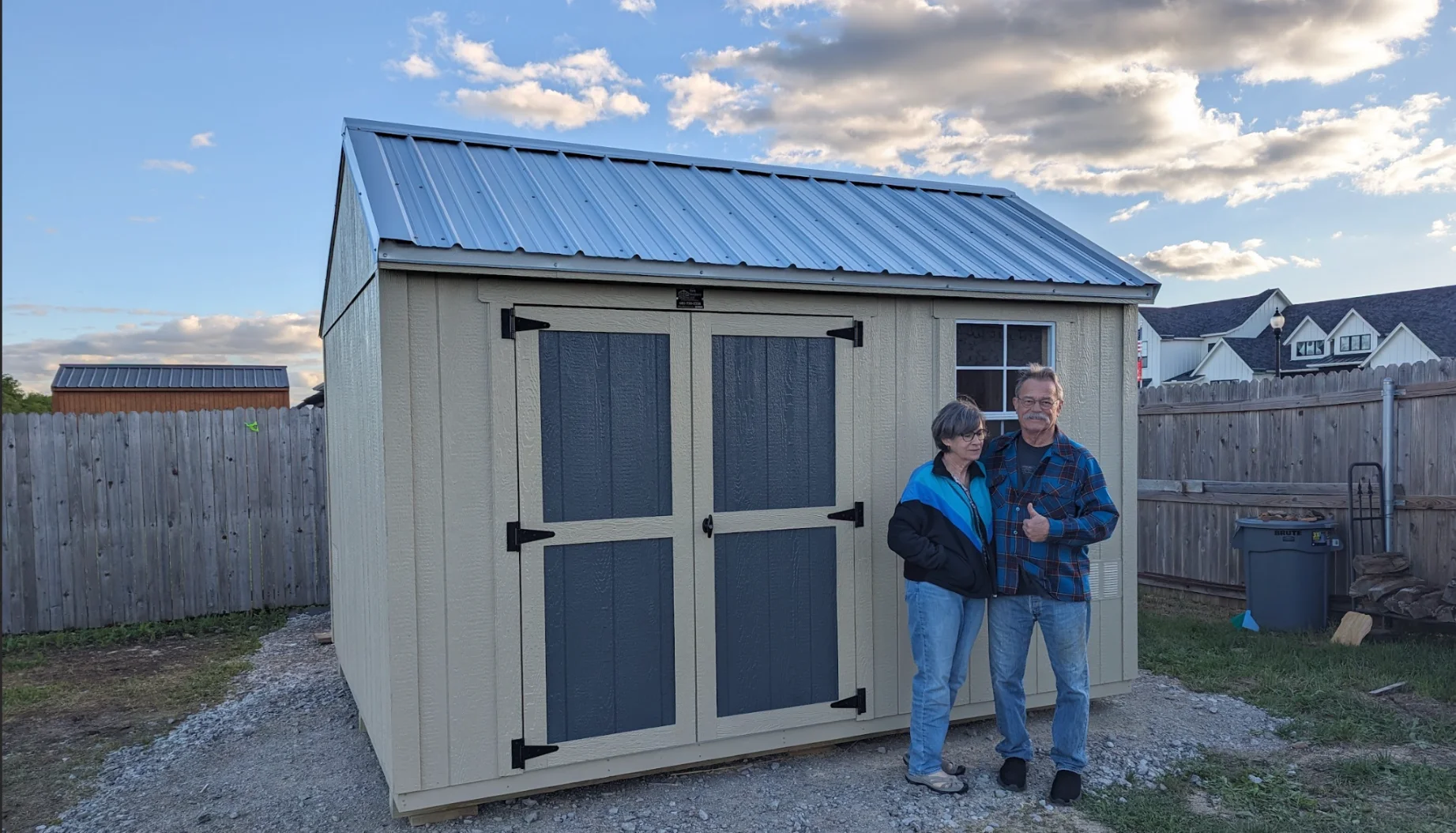
Ventilation prevents the interior from becoming an oven in July. Gable vents, ridge vents or a combination of both allow hot air to escape naturally. This protects anything stored inside and makes the space usable even in warm weather. Learn more about weather resistant upgrades for Texas conditions.
Beyond Basic Storage
A garden shed can become much more than a place to stash your mower. We build she sheds for customers who want a quiet retreat in their backyard. These get extra windows, nicer finishes and sometimes a small covered porch. The result is a private space separate from the main house.
Workshop sheds serve hobbyists and DIY enthusiasts. We can rough in electrical for lights and outlets, add extra windows for natural light and install heavy duty flooring that stands up to dropped tools. If you do woodworking, automotive projects or any hands on hobby then a dedicated space makes everything easier.
Some customers turn their garden shed into a full workshop shed. Others repurpose their shed as a home office. Working from a separate building eliminates household distractions and creates clear boundaries between work and personal life. We can add insulation, climate control prep and interior finishes that make the space comfortable year round.
Types of Garden Sheds We Can Recommend
1. Utility/General Garden Shed
This is not just about storage. A quality garden shed keeps your property organized, protects expensive equipment from Texas weather and gives you dedicated space for outdoor projects. Explore the full benefits of garden sheds to see why they're such a smart investment. These feature practical layouts with room for shelving, hooks for hanging tools and wide doors for easy access. Most homeowners start here because it covers the basics without overcomplicating things. If you need reliable storage that keeps your yard organized, this is your foundation.
2. Potting Shed
Built specifically for gardeners who take their hobby seriously. A potting shed includes workspace for transplanting seedlings, storing soil and fertilizer and organizing your collection of pots and planters. Windows let in natural light for working with plants and the layout keeps everything within arm's reach. Some customers add a small sink for washing vegetables or cleaning tools. If you spend serious time in your garden, a dedicated potting shed transforms how you work.
Things That Need Your ATTENTION
Before you commit to a garden shed, make sure you've covered these critical details:
- Permits: Many areas require permits for structures over a certain size. Check with your local building department before construction begins to avoid fines or forced removal.
- Drainage: Water pooling around your shed leads to rot, mold and foundation problems. Ensure the ground slopes away from the structure and consider a gravel base for improved drainage.
- Accessibility: Can you get a wheelbarrow to the door? Will you be able to roll out your riding mower without obstacles? Plan the path from your shed to your work areas.
- Security: Garden equipment isn't cheap. Consider a shed with a solid door, quality lock and possibly windows that don't invite break-ins. Some customers add motion lights for extra protection.
- Maintenance: Every shed needs occasional attention. Plan for repainting or restaining every few years, checking the roof for damage after storms and keeping vegetation cleared from the walls.
Ready for Your Garden Shed?
We build custom garden sheds throughout North Texas including Fort Worth, Denton, Rhome, Azle and Bridgeport.
Call for a free quote: (682) 730-2238