Most folks shopping for a backyard shed focus on size and price. Makes sense. But the materials you choose affect more than just the upfront cost. They determine how long your storage shed lasts, how much maintenance you deal with and what kind of environmental footprint you leave behind. Homeowners in Denton, Bridgeport, Decatur and Fort Worth are asking these questions more often now.
We have been building sheds across North Texas for over 15 years and we have watched the industry shift. More customers want to know what their shed is made of. They ask if it will hold up without heavy chemical treatments. They want something that will not end up in a landfill in ten years. These are fair questions and the answers might surprise you.
Why Sustainable Materials Make Sense
The environmental angle is obvious but there is a practical reason too. Sustainable materials often outlast the cheap stuff by a wide margin. Reclaimed wood that has already weathered fifty Texas summers is not going anywhere. Metal roofing that reflects heat instead of absorbing it keeps your shed cooler and cuts your electric bill if you have the space wired up.
There is also the matter of what you breathe. Some treated lumber off gasses chemicals for years. If you use your shed as a workshop shed, a home office or just somewhere you spend time then that matters. Customers in Rhome and Azle who convert their sheds into she sheds or studios pay close attention to this.
Sustainable Material Options for Your Shed
FSC certified lumber comes from responsibly managed forests where they plant more than they cut. It costs a bit more upfront but you are not contributing to deforestation. This is the lumber we recommend for customers who want quality without compromise.
Reclaimed wood is another solid choice. Old barn wood, salvaged beams and lumber from demolished buildings have character you cannot fake. This stuff has already dried out and stabilized which means less warping and cracking down the road. We have sourced reclaimed materials for barn style sheds that look incredible.
Fiber cement siding has become popular for good reason. It is made from cement, sand and cellulose fibers. Nothing exotic and nothing toxic. It resists rot, fire and termites which matters a lot in Texas.
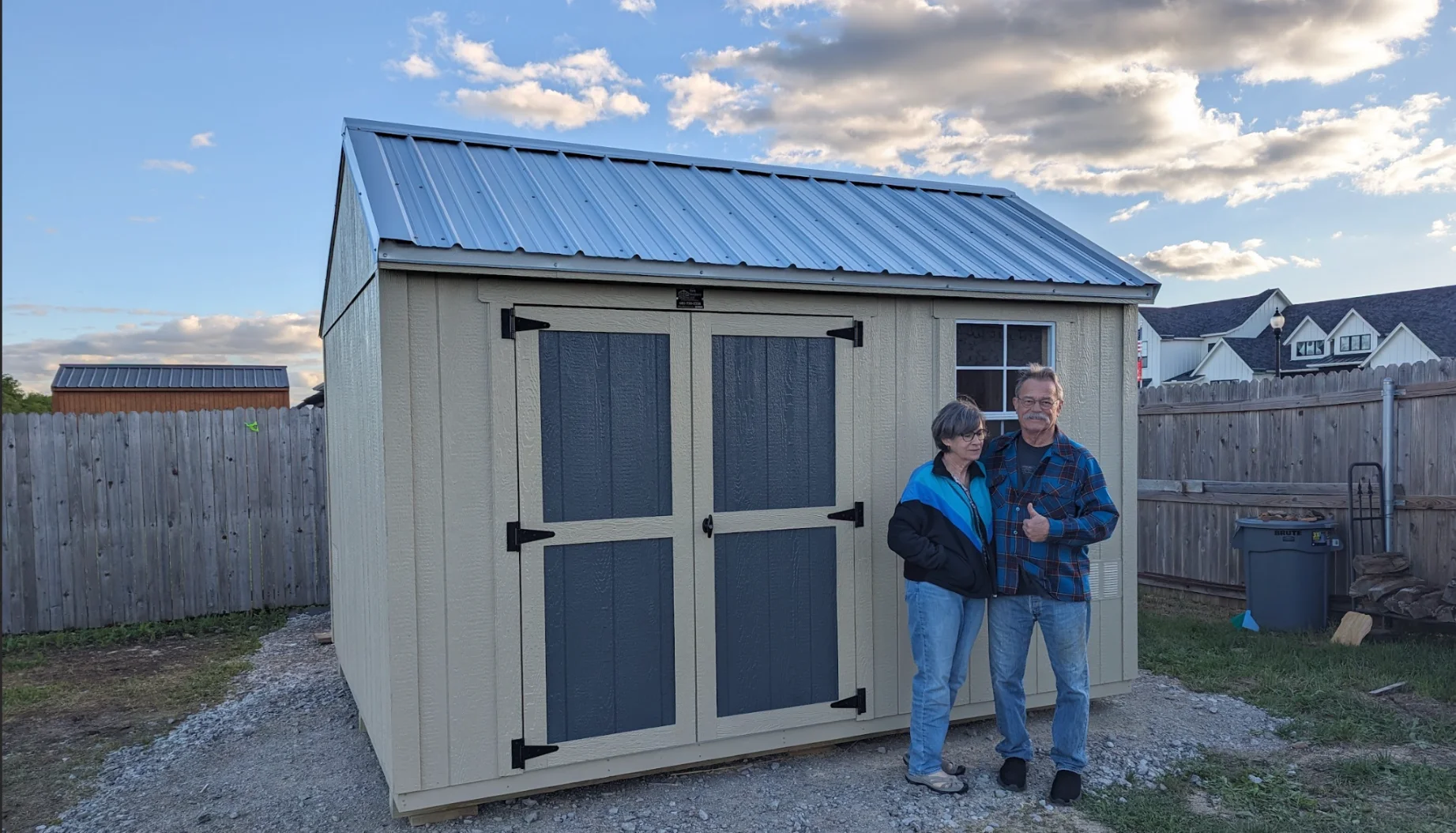
Metal siding and roofing deserve a mention too. Recycled steel and aluminum require less energy to produce than virgin materials and they are 100% recyclable at end of life. Plus metal roofing lasts decades with minimal maintenance.
Energy Efficient Design Features
Material choice is only half the equation. How you design the shed matters just as much for long term efficiency.
Orientation makes a difference. Position your shed so the long sides face north and south if possible. This reduces direct sun exposure on the largest wall surfaces. Customers in Bridgeport and Decatur with open properties have flexibility here.
Windows on opposite walls do more for airflow than four windows clustered together. Cross ventilation keeps the interior comfortable without running a fan. A 12 inch roof overhang shades the walls and keeps rain from hitting the siding directly. These details add up.
Foundation Options That Make Sense
Concrete is durable but the production process generates serious carbon emissions. There are alternatives worth considering for your storage shed foundation.
Gravel pads allow rainwater to percolate into the ground instead of running off. This is better for your yard and for local waterways. Pier foundations use less concrete than full slabs while still providing solid support. We build most of our sheds on skid foundations which use minimal materials and allow for future relocation.
Landscaping Around Your Shed
Native plants do not need irrigation or fertilizer once established. Switchgrass, black eyed Susan and Texas sage all do well with nothing but rainfall. Plant these around your garden shed and you have a low maintenance landscape that looks great year round.
Consider a rain barrel or two to catch runoff from the shed roof. A typical 12x16 storage shed can collect hundreds of gallons during a single good thunderstorm. Use that water for your garden instead of running the hose.
Maintenance for Longevity
Sustainable materials still need care but usually less of it. Inspect the roof annually for loose fasteners. Keep vegetation trimmed back from the walls with at least six inches of clearance. Reapply sealant to wood every few years using natural oils if you want to stay chemical free.
The goal is catching small issues before they become big problems. A few minutes of inspection saves hours of repair work later. This applies whether you have a basic storage shed or a fully outfitted workshop shed.
The Cost Question
Sustainable materials often cost more at the register. But think lifecycle cost not just purchase price. That $3 per board foot reclaimed hardwood might last forty years. The $1.50 pine might need replacement in fifteen. Do the math and the sustainable option often wins.
If you plan to sell your property eventually then eco friendly features have become a selling point. Buyers notice quality construction and thoughtful material choices. Your backyard shed can actually add value to your home.
Making It Work for You
You do not have to build a completely green shed to make a difference. Even choosing one or two sustainable materials makes an impact. Metal roofing alone is a huge upgrade over asphalt shingles. Quality lumber instead of the cheapest option extends your shed life by decades.
The point is awareness. Know what you are building with and why. We can walk you through the options when you get a quote for your new shed in Fort Worth, Denton or anywhere else in North Texas.
Build Your Sustainable Shed
We build quality sheds throughout Fort Worth, Denton, Rhome, Azle, Bridgeport and Decatur.
Call for a free quote: (682) 730-2238
Frequently Asked Questions
Does eco-friendly mean the shed won't last as long?
Quite the opposite. Sustainable materials like reclaimed wood and metal roofing often outlast conventional options because they're either already weathered or designed for longevity from the start.
How much more do sustainable materials cost?
Typically 10-25% more upfront, but reduced maintenance and longer lifespan often make them cheaper over time. We can show you options at different price points.
Can I make an existing shed more eco-friendly?
Absolutely. Adding a metal roof, installing solar-powered lighting or replacing treated wood components with reclaimed materials are all retrofit options.
Are there any tax incentives for green building in Texas?
Some municipalities offer incentives and certain energy-efficient improvements may qualify for federal tax credits. Check with your local building department and tax advisor.
What's the most impactful single change I can make?
Metal roofing. It reflects heat, lasts decades and is fully recyclable. For the investment, it delivers the most environmental and practical benefit.